

Traditional Chinese Medicine (TCM) is an ancient system of health and wellness that’s been used in China for thousands of years. Western medicine focuses mainly on treating symptoms, but TCM looks at your entire well-being. TCM treats a number of issues and approaches treating ailments from a holistic perspective. A variety of symptoms are treatable such as pain, colitis, neuropathy, arthritis, insomnia, stress and depression. TCM can treat chronic and/or acute problems as well.
Traditional Chinese Medicine can provide relief and treatment for a wide range of conditions.
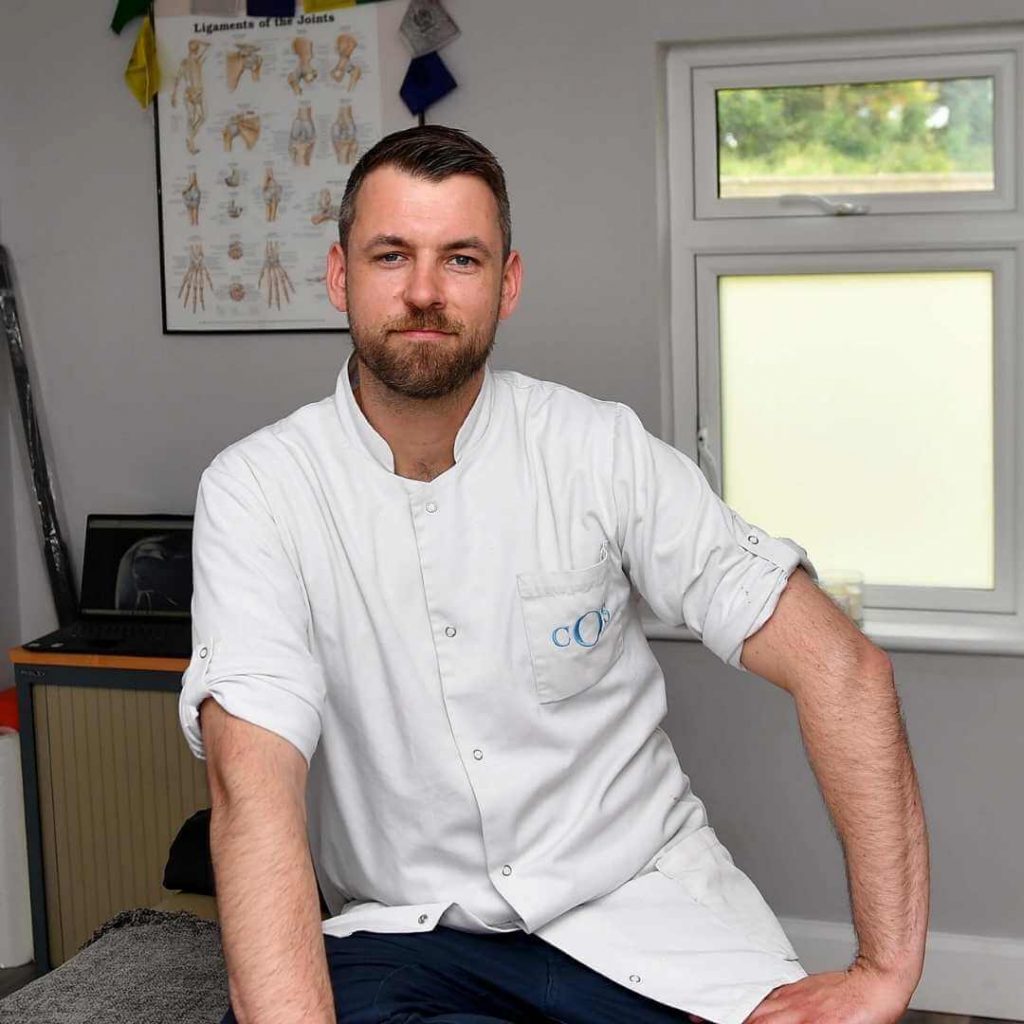
Xavier will ask you questions about your medical history and do a physical exam to look for signs of imbalance. Osteo-TCM is a multidiscipline practice. This means, Xavier will use his experience and knowledge to choose the right treatment for you.
If TCM is the treatment of choice, he will examine your skin, tongue, and hair, as well as other parts of your body, from the brightness of your eyes to the colour of your nails, and check 6 pulses on each of your wrists. The practitioner will also listen to your voice to assess your shen (spirit), and will work to determine if one or more of your organ networks are affected. The practitioner then tries to correct imbalances in your body by providing a combination of the therapies discussed below.
Acupuncture is the practice of inserting needles into the superficial skin, subcutaneous tissue, and muscles at particular acupuncture points and manipulating them.
Tui na (a combination of massage, acupressure, and other forms of body manipulation) is a form of Asian bodywork therapy that has been used in China for centuries. The practitioner will ask a series of questions and then begin treatment. The type of massage delivered by a tui na practitioner can be quite vigorous at times. Practitioners may use herbal compresses, ointments, and heat to enhance these techniques. Tui na is best suited for treating chronic pain and musculoskeletal conditions.
Cupping is a type of Chinese massage, consisting of placing several glass or plastic “cups” (open spheres) on the body. TCM practitioners warm the cups using a cotton ball or other flammable substance, which is then placed inside the cup to remove all the oxygen. The practitioner then removes the substance and places the cup against the skin. The air in the cup then cools, creating lower pressure inside the cup, creating a vacuum and allowing the cup to stick to the skin. Fleshy sites on the body, such as the back and stomach, are the preferred sites for treatment.
Gua sha
Gua sha is a very standard kind of treatment modality that most acupuncturists will use. Its meaning loosely translates to ‘scraping, rubbing or pushing.’ Essentially, gua sha is just a tool-assisted type of massage.
The Osteopathic and Traditional Chinese Medicine Centre is a unique practise. With specialist knowledge, experience, equipment and facilities, we provide reliable, safe and effective treatment for each of our clients. Contact ‘Osteo-TCM’ to book an appointment in our clinic based in Coralstown, Co. Westmeath.